“Disasters have become a part of people’s lives”- Isaiah Ndugu *
*Isaiah is a youth champion in Mathare and an advocate for sustainable development goals, currently working for Motobrix Limited, that champions for clean energy.
“Maafa yamekuwa sehemu ya maisha ya watu”- *Isaiah Ndugu
*Isaya ni bingwa wa vijana huko Mathare na mtetezi wa malengo ya maendeleo endelevu, kwa sasa anafanya kazi katika Motobrix Limited, mabingwa hao wa nishati safi.
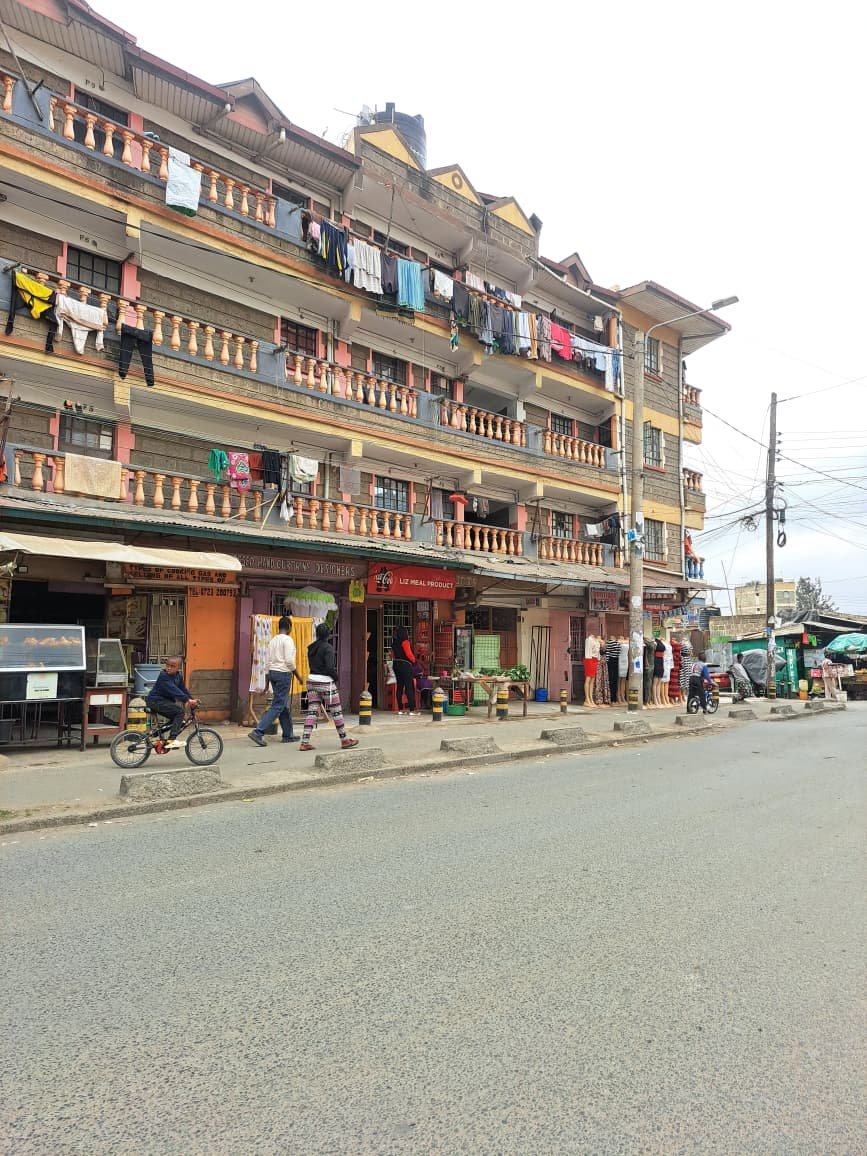
For this interview session, I decided to switch it up a little. Most of my interviews have been conducted online, but this time, I wanted to be on the ground — to feel the place, see it, walk through it. So I went to Mathare, specifically the Mabatini area.
Kwa kipindi hiki cha mahojiano, niliamua kukibadilisha kidogo. Mahojiano yangu mengi yamefanywa mtandaoni, lakini wakati huu, nilitaka kuenda kwenye sehemu hiyo ili kuihisi na kuiona. Kwa hiyo nilienda Mathare, hasa eneo la Mabatini.
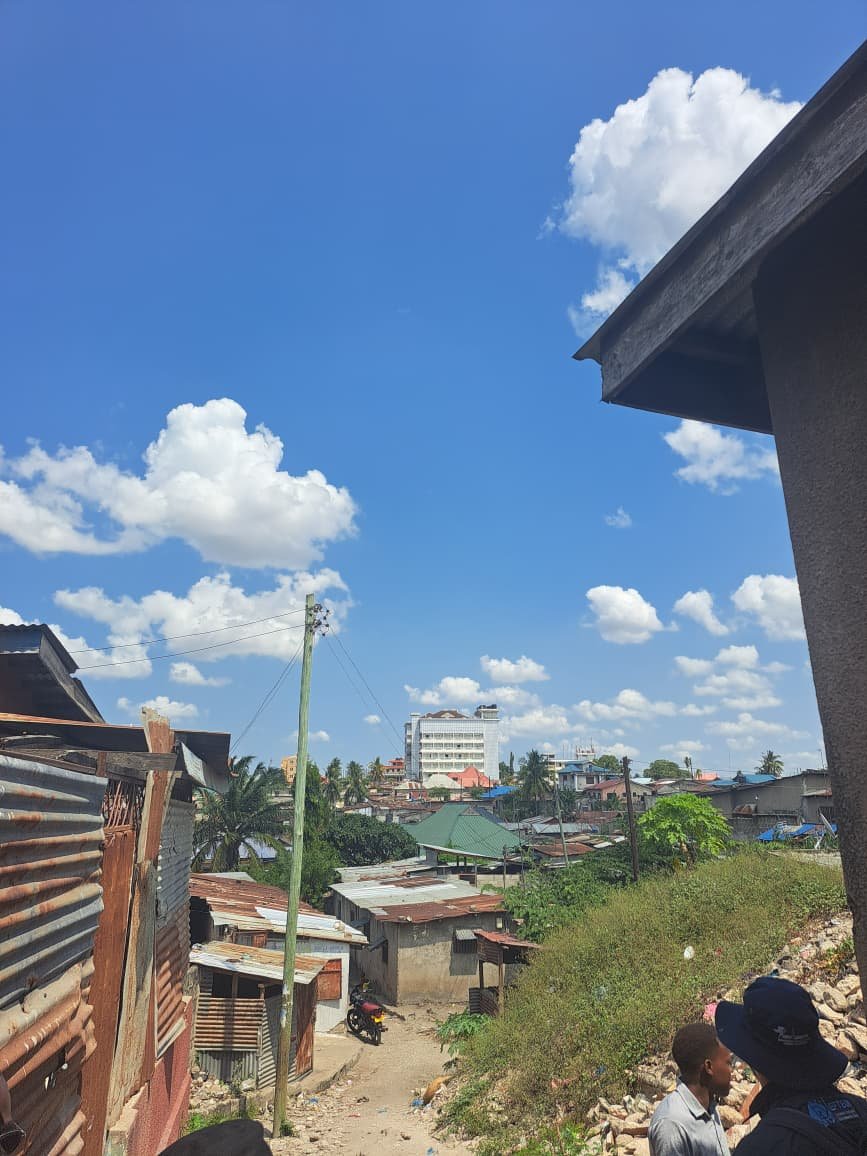
Mathare is one of Nairobi’s seventeen constituencies, located in the Eastlands. It is the second-largest urban informal settlement after Kibera, covering 157 hectares from Pangani down to the Gitathuru River. Pangani borders the west side of Mathare. Juja Road — where I visited — is a major artery in Eastlands that separates Mathare from Eastleigh, which itself is home to smaller slums like Kiambiu. On the east side, Mathare borders Huruma, another dense informal settlement.
Mathare ni mojawapo ya maeneo bunge kumi na saba ya Nairobi, yaliyoko Eastlands. Ni makazi ya pili kwa ukubwa mijini yasiyo rasmi baada ya Kibra, yenye ukubwa wa hekta 157 kutoka Pangani hadi Mto Gitathuru. Pangani inapakana na upande wa magharibi wa Mathare. Juja Road — ambapo nilitembelea — ni ateri kuu huko Eastlands ambayo hutenganisha Mathare na Eastleigh, ambayo yenyewe ni nyumbani kwa makazi yasiyo rasmi, madogo kama Kiambiu. Upande wa mashariki, Mathare inapakana na Huruma, makazi mengine yasiyo rasmi.
Mathare is not a single place — it’s an agglomeration of thirteen slum villages, each with its own challenges, stories, and survival strategies.
Mathare sio sehemu moja — ni mkusanyiko wa vijiji kumi na tatu vya makazi duni, kila kimoja kikiwa na changamoto zake, hadithi, na mikakati ya kuishi.
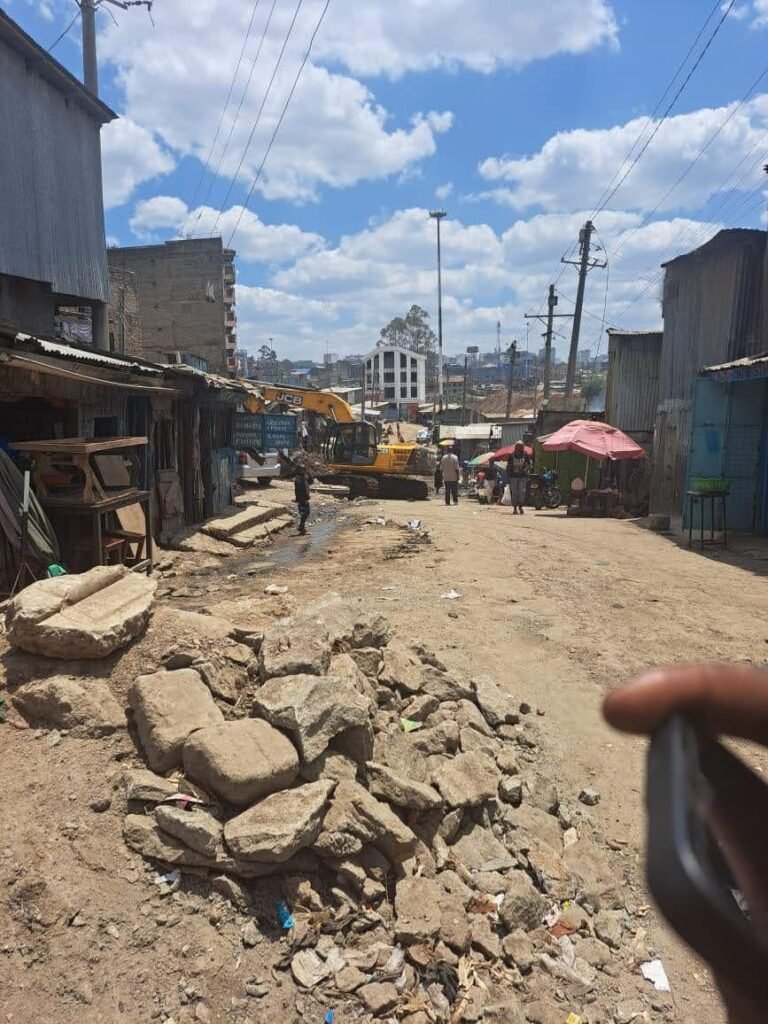
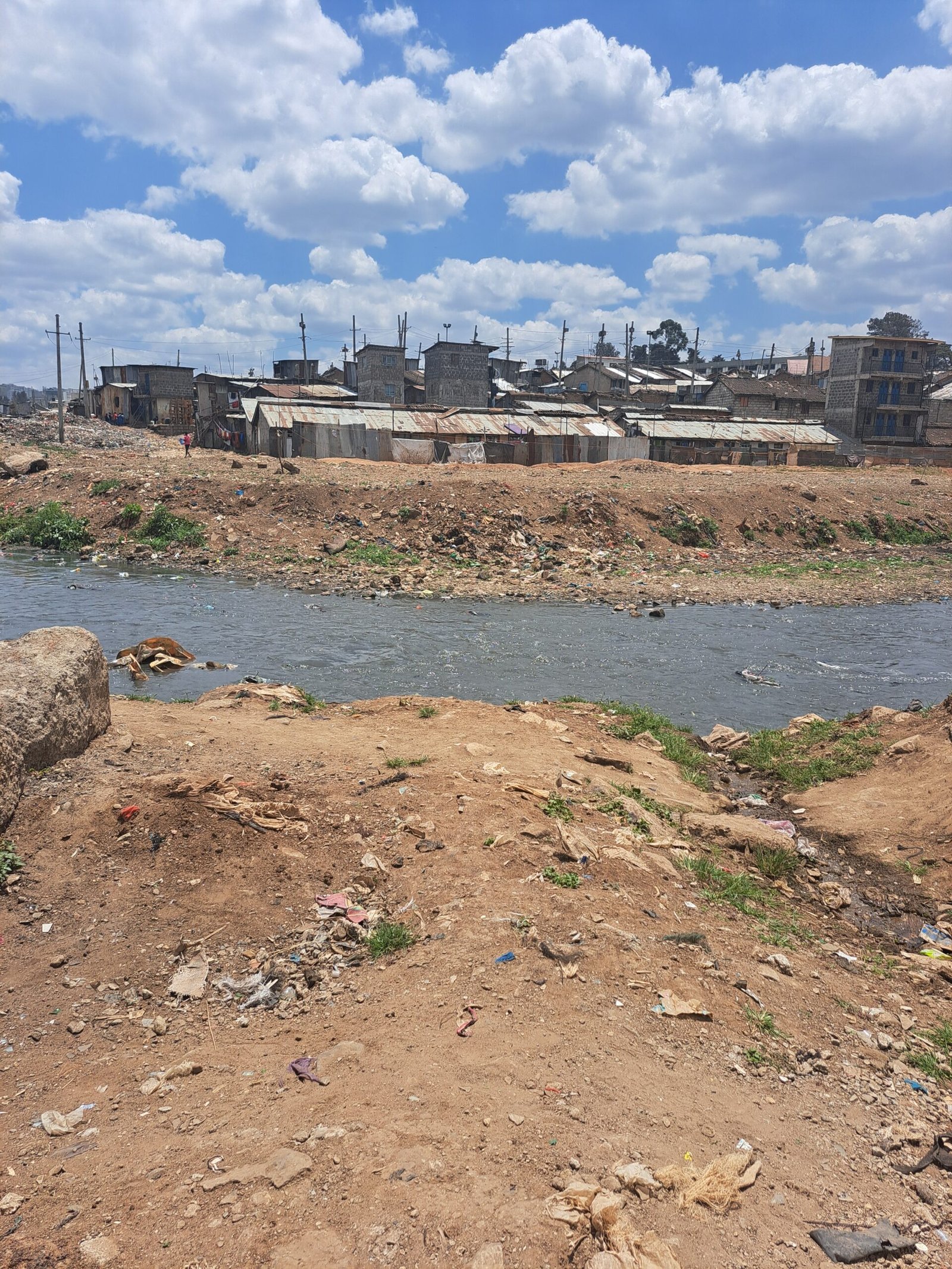
Riding on a boda boda toward Juja Road, I felt the area buzzing with life — barbers shaving clients at the roadside, children playing in school fields during their lunch break, shops selling anything and everything, and vibrant vegetable stands lining the path. As we rode on, we passed by the Mathare River, also known as the Gitathuru River — a tributary of the Nairobi River. On the overpass above it, bold and colorful calligraphy spelled out “Mathare Community Park” — a phrase that immediately caught my attention. Along the riverbanks, I noticed piles of debris, and from what I could gather, some buildings had recently been taken down.
Nikiwa nimepanda bodaboda kuelekea Barabara ya Juja, niliona eneo hilo limejaa vinyozi wa wakiwanyoa wateja kando ya barabara, watoto wakicheza kwenye uwanja wa shule wakati wa mapumziko yao ya chakula cha mchana, maduka ya kuuza chochote na kila kitu, na stendi za mboga zilizochangamka zikiwa zimetanda. Tulipokuwa tukiendelea, tulipita kando ya Mto Mathare, unaojulikana pia kama Mto Gitathuru — kijito cha Mto Nairobi. Kwenye njia ya juu juu yake, maandishi ya ujasiri na ya kupendeza yaliandika “Mathare Community Park” — maneno ambayo yalinivutia mara moja. Kando ya kingo za mito, niliona milundo ya vifusi, na kutokana na kile nilichoweza kukusanya, baadhi ya majengo yalikuwa yameshushwa hivi majuzi.
The boda boda came to a stop at Number 10, a stage along Juja Road, and together with my interviewee for the day, Isaiah, we alighted. Before we began our session, Isaiah took a moment to show me where he works — still dressed in his work overalls.
He explained that he works at a youth-founded organization called Motobrix Limited, which addresses energy challenges while making a positive impact on local communities. They produce renewable energy from waste by collecting it, mixing it with sawdust, and turning it into briquettes. These briquettes are then sold to the local community at a price more affordable than both gas and charcoal — helping advance the use of clean, sustainable energy.
Boda boda ilisimama kwenye Nambari 10, stendi kando ya Barabara ya Juja, na pamoja na mhojiwa wangu wa siku hiyo, Isaya, tulishuka. Kabla hatujaanza kikao chetu, Isaya alichukua muda kunionyesha anakofanyia kazi — akiwa bado amevalia ovaroli zake za kazi.
Alieleza kuwa anafanya kazi katika shirika lililoanzishwa na vijana liitwalo Motobrix Limited, ambalo linashughulikia changamoto za nishati huku likileta matokeo chanya kwa jamii za wenyeji. Wanazalisha nishati mbadala kutoka kwa taka kwa kuikusanya, kuichanganya na machujo ya mbao, na kuigeuza kuwa briketi. Kisha briketi hizi huuzwa kwa jumuiya ya wenyeji kwa bei nafuu zaidi kuliko gesi na mkaa — kusaidia kuendeleza matumizi ya nishati safi na endelevu.
Motobrix isn’t just about affordable energy; it champions Sustainable Development Goal 7 — clean and affordable energy for all.
Motobrix sio tu kuhusu nishati ya bei nafuu; inatetea Lengo la Maendeleo Endelevu 7 — nishati safi na nafuu kwa wote.
In addition to his work at Motobrix, Isaiah is also actively involved with Youth and Urbanism, an organization founded by young people, and Generation Shapers, where he continues to advocate for youth empowerment across various platforms. He’s more than just an employee — he’s a community champion and a respected youth leader.
Mbali na kazi yake katika Motobrix, Isaya pia anajihusisha kikamilifu na Youth and Urbanism, shirika lililoanzishwa na vijana, na Generation Shapers, ambapo anaendelea kutetea uwezeshaji wa vijana katika majukwaa mbalimbali. Yeye ni zaidi ya mfanyakazi — yeye ni bingwa wa jamii na kiongozi wa vijana anayeheshimika.
Akiwa bingwa wa jamii, Isaya alikumbuka tukio moja la kusikitisha sana: moto ulizuka saa 12:00 asubuhi huko Mabatini, na kumaliza maisha ya watoto watatu. Licha ya kukosa mafunzo rasmi, ni kawaida vijana kuongoza juhudi za uokoaji wakati wa dharura kama hizo.
Isaiah was born and raised in Mathare, and he pointed out that the community has become so used to disasters and emergencies that, for many, they’ve simply become a part of daily life. In Mabatini — the area where we were — most of the housing structures are made from iron sheets, which is where the name Mabatini comes from. It’s also one of the places where fire emergencies happen most frequently.
Isaya alizaliwa na kukulia huko Mathare, na alisema kwamba jamii hiyo imezoea majanga na dharura hivi kwamba, kwa wengi, yamekuwa sehemu ya maisha ya kila siku. Katika Mabatini — eneo tulipokuwa — miundo mingi ya nyumba imetengenezwa kwa mabati ambapo jina la Mabatini linatoka. Pia ni moja wapo ya mahali ambapo dharura za moto hufanyika mara nyingi.
He explained that these fires are often caused by negligence — people cooking with gas and not being careful — as well as the widespread illegal electrification of homes.
Alieleza kuwa moto huu mara nyingi husababishwa na uzembe wa watu — kupika kwa gesi na kutokuwa makini — pamoja na kuenea kwa umeme haramu wa nyumba.
As a community champion, Isaiah recalled one particularly tragic incident: a fire broke out at 12:00 a.m. in Mabatini, claiming the lives of three children. Despite lacking formal training, it’s usually the youth who lead rescue efforts during such emergencies.
Akiwa bingwa wa jamii, Isaya alikumbuka tukio moja la kusikitisha sana: moto ulizuka saa 12:00 asubuhi huko Mabatini, na kumaliza maisha ya watoto watatu. Licha ya kukosa mafunzo rasmi, ni kawaida vijana kuongoza juhudi za uokoaji wakati wa dharura kama hizo.
Still, not everyone responds with integrity. Isaiah described a behavior he called kuthukuma — a term used to refer to those who take advantage of the chaos to steal and create more disorder, instead of helping.
Bado, sio kila mtu anajibu kwa uadilifu. Isaya alielezea tabia aliyoiita kuthukuma — neno linalotumiwa kurejelea wale wanaotumia fursa ya machafuko hayo kuiba na kuleta machafuko zaidi, badala ya kusaidia.
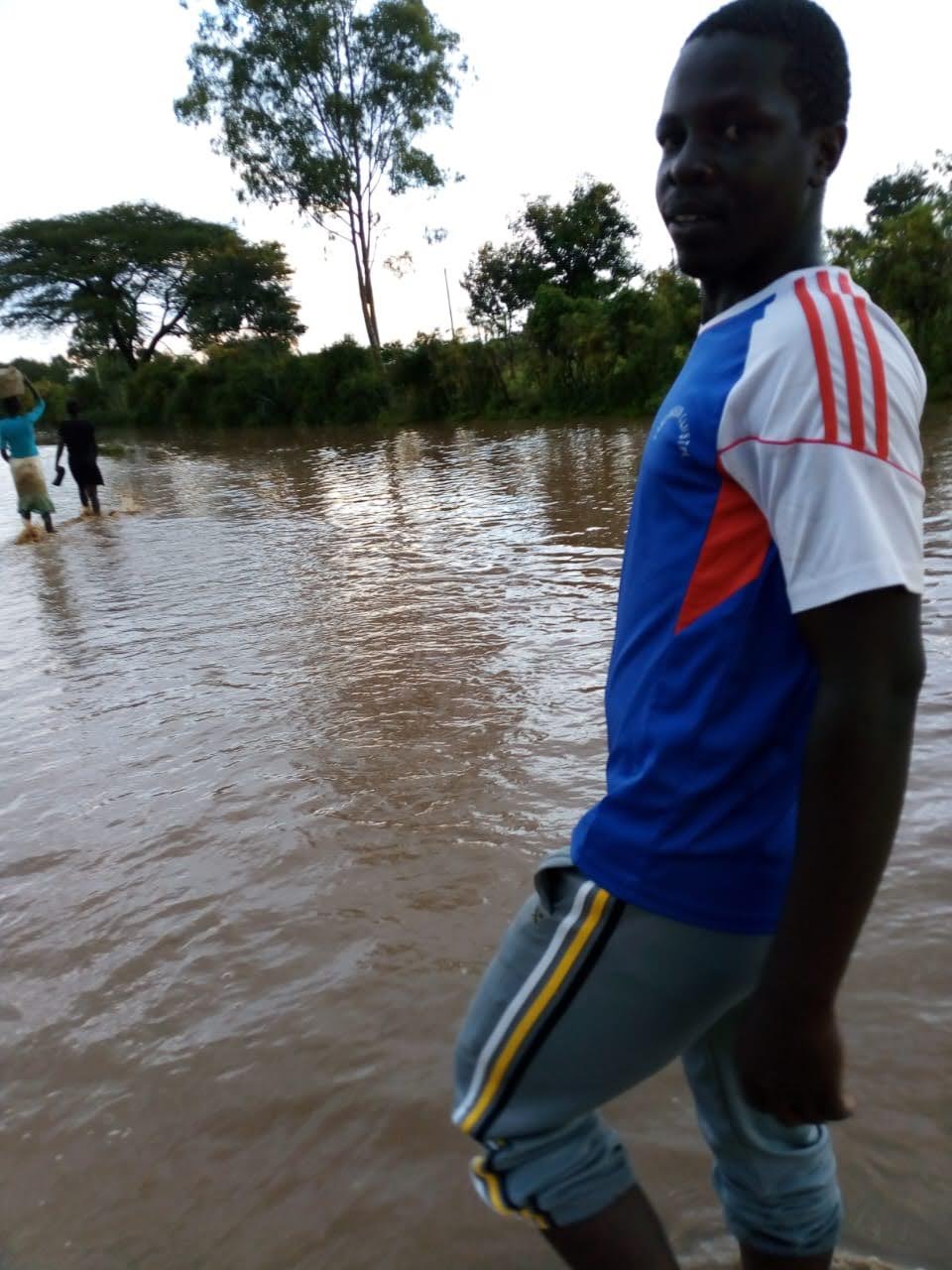
Isaiah’s experiences with disasters have been vast — from fires to floods. Ahead of the April 2024 floods, he worked under the Generation Shapers organization to lead flood sensitization efforts within Mabatini. Floods have affected the area for years, and over time, people have adapted. They move away when the river rises and return once the water subsides.
Matukio ya Isaya na majanga yamekuwa — kubwa kutoka kwa moto hadi mafuriko. Kabla ya mafuriko ya Aprili 2024, alifanya kazi chini ya shirika la Generation Shapers kuongoza juhudi za uhamasishaji wa mafuriko ndani ya Mabatini. Mafuriko yameathiri eneo hilo kwa miaka mingi, na baada ya muda, watu wamezoea. Wanaondoka mto unapoinuka na kurudi mara tu maji yanapopungua.
But the 2024 downpour was different. This time, the Mathare River overflowed due to days of relentless rainfall. To make matters worse, a dam connected to the river — located upstream in Kiambu — burst. Combined with rain that didn’t stop for nearly two days, the result was nothing short of a full-blown disaster.
Lakini mvua ya 2024 ilikuwa tofauti. Wakati huu, Mto Mathare ulifurika kutokana na siku za mvua nyingi. Ili kufanya mambo kuwa mabaya zaidi, bwawa lililounganishwa na mto — ulioko juu ya mto Kiambu — lilipasuka. Ikiunganishwa na mvua ambayo haikukoma kwa karibu siku mbili, matokeo hayakuwa kitu pungufu ya maafa makubwa.
Hospital ward was the first area to be affected by these floods. Houses were carried away by the waters, all this was happening at 12.00 am. Luckily, some of the community members were alert during this time because they were watching a football game, however, during this period, there were power fluctuations that raised concerns and ultimately they saw the harsh waters coming in, something that they had never witnessed in Mathare. Isaiah was woken up to go and assist those stuck in their houses during the floods. He recounts the events of that night that left him utterly traumatized. He says the water levels in the houses rose to a point that was unreachable for anyone, and people were stuck inside, crying waiting to be saved by the youth. As some of the youth were trying to save those who were stuck, they got electrocuted and had to be rushed to the hospital by Kenya Red Cross. Property and even bodies were washed away during that trying time. Day two, the rain was still pouring. Generation Shapers, decided to scout for household items to assist those who were affected and those who were still stuck as a result of the water levels.
Wodi ya hospitali ilikuwa eneo la kwanza kuathiriwa na mafuriko haya. Nyumba zilichukuliwa na maji, yote haya yalikuwa yakitokea saa 12.00 asubuhi. Kwa bahati nzuri, baadhi ya wanajamii walikuwa macho wakati huu kwa sababu walikuwa wakitazama mchezo wa mpira wa miguu, hata hivyo, katika kipindi hiki, kulikuwa na mabadiliko ya nguvu ambayo yalizua wasiwasi na hatimaye waliona maji magumu yakiingia, jambo ambalo hawakuwahi kushuhudia. Mathare. Isaya aliamshwa kwenda kuwasaidia waliokwama kwenye nyumba zao wakati wa mafuriko. Anasimulia matukio ya usiku huo ambayo yalimwacha akiwa na kiwewe kabisa. Anasema viwango vya maji ndani ya nyumba hizo vilipanda hadi kufikia kiwango ambacho hakikuweza kufikiwa na mtu yeyote, na watu walikuwa wamekwama ndani huku wakilia wakisubiri kuokolewa na vijana hao. Vijana hao walipokuwa wakijaribu kuwaokoa waliokwama, walinaswa na umeme na kulazimika kukimbizwa hospitalini na Shirika la Msalaba Mwekundu la Kenya. Mali na hata miili ilioshwa wakati huo wa kujaribu. Siku ya pili, mvua ilikuwa bado inanyesha. Generation Shapers, waliamua kutafuta vifaa vya nyumbani ili kuwasaidia walioathirika na wale ambao bado walikuwa wamekwama kutokana na viwango vya maji.
That day was deeply traumatizing for Isaiah. He saw the bodies of three people who had drowned in their home — a mother carrying her two babies, one strapped to her front and the other holding her hand. What a devastating sight.
Siku hiyo ilikuwa ya kuhuzunisha sana kwa Isaya. Aliona miili ya watu watatu waliokuwa wamezama nyumbani kwao — mama akiwa amebeba watoto wake wawili, mmoja amefungwa kwenye ubavu wake na mwingine akiwa amemshika mkono. Mtazamo wa kuhuzunisha kama nini.
When it came to disaster response, Isaiah highlighted a huge gap — especially on the part of the government. He explained that most people in the community don’t even know the proper channels to follow during emergencies. The government allocates a budget for disaster response every financial year, he pointed out. So why doesn’t it take the time to go on-site and train local communities?
Ilipokuja suala la kukabiliana na maafa, Isaya aliangazia pengo kubwa — haswa kwa upande wa serikali. Alieleza kuwa watu wengi katika jamii hawajui hata njia zinazofaa za kufuata wakati wa dharura. Serikali inatenga bajeti ya kukabiliana na maafa kila mwaka , alisema. Kwa hivyo kwa nini haichukui muda wa kwenda kwenye tovuti na kutoa mafunzo kwa jamii za wenyeji?
This lack of action — this negligence — leaves him, and me too, feeling deeply frustrated.
According to Isaiah, non-governmental organizations like the Kenya Red Cross are the real first responders in these emergencies. Why not the government? he asked. After all, the government has countless eyes within the community — from the chief, to the ward administrator, community health promoters, and even the nyumba kumi (community policing at the household level). And yet, nothing is done.
Ukosefu huu wa hatua — uzembe huu — unamwacha, na mimi pia, nikihisi kuchafukwa sana.
Kulingana na Isaya, mashirika yasiyo ya kiserikali kama vile Shirika la Msalaba Mwekundu la Kenya ndio washiriki wa kwanza katika dharura hizi. Kwa nini serikali isifanye hivyo? aliuliza. Baada ya yote, serikali ina macho mengi ndani ya jamii — kutoka kwa chifu, kwa msimamizi wa kata, wakuzaji afya ya jamii, na hata nyumba kumi. Na bado, hakuna kitu kinachofanyika.
Even after the floods, no training was provided. The community was left to figure things out on their own — again.
Hata baada ya mafuriko, hakuna mafunzo yaliyotolewa. Jamii iliachwa kubaini mambo peke yao — tena.
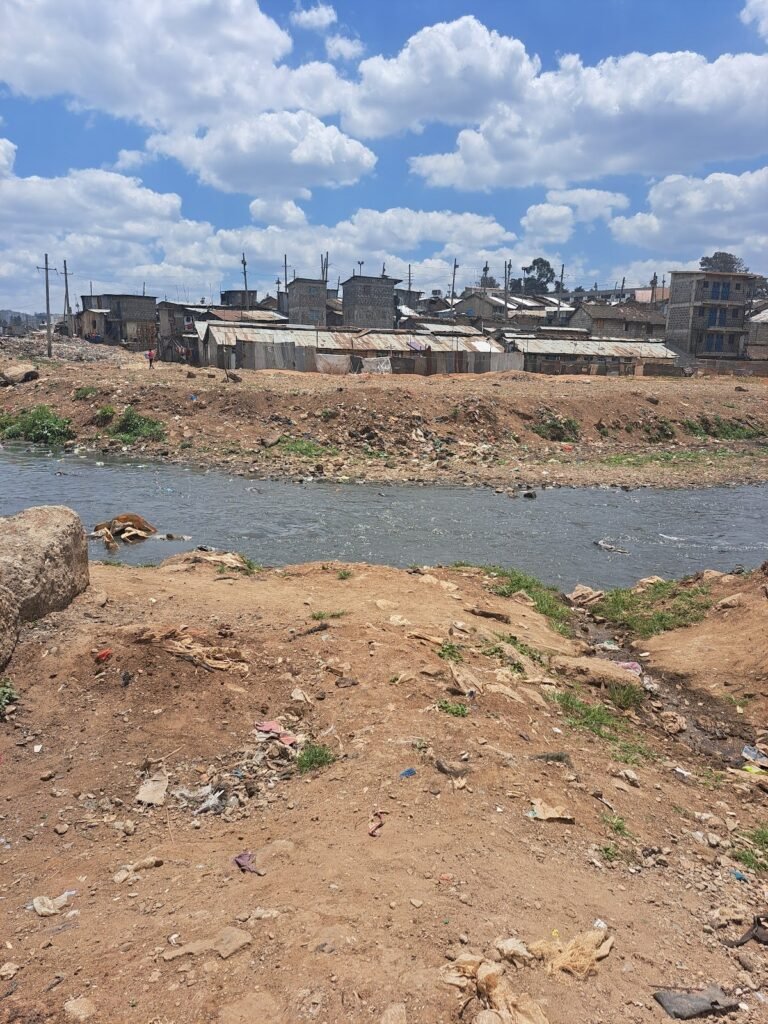
Aftermath of the floods
Isaiah described how, during the floods, he took in six families — mostly women and their children — and housed them in his one-bedroom apartment. Others sought refuge at a nearby polytechnic known as Undugu, hoping for assistance. But in the chaos, some people took advantage of the situation, stealing household items meant for those who had lost everything.
Isaya alieleza jinsi, wakati wa mafuriko, alichukua familia sita — wengi wao wakiwa wanawake na watoto wao — na kuwaweka katika nyumba yake ya chumba kimoja cha kulala. Wengine walitafuta hifadhi katika chuo kikuu cha karibu kinachojulikana kama Undugu, wakitarajia usaidizi. Lakini katika machafuko hayo, baadhi ya watu walichukua fursa ya hali hiyo, wakiiba vitu vya nyumbani vilivyokusudiwa wale waliopoteza kila kitu.
Frustrated by the lack of proper response, Isaiah recalled another incident — a fire outbreak — where he called firefighters from Nairobi County. They took an incredibly long time to arrive, and when they finally did, their tanks were empty. What a terrible sight. The helplessness was so overwhelming that, out of sheer frustration, some community members ended up beating and chasing the firefighters away.
Akiwa amefadhaika na ukosefu wa majibu sahihi, Isaya alikumbuka tukio lingine — mlipuko wa moto — ambapo aliwaita wazima moto kutoka Kaunti ya Nairobi. Walichukua muda mrefu sana kufika, na walipofanya hivyo hatimaye, mizinga yao ilikuwa tupu. Ni mtazamo mbaya sana. Uzembe huo ulikuwa mkubwa sana hivi kwamba, kutokana na kufadhaika and kuudhika kabisa, baadhi ya wanajamii waliishia kuwapiga na kuwafukuza wazima moto.
He also spoke about the injuries — people with deep cuts sustained while trying to rescue others during disasters often have to treat themselves. Once taken to the hospital, they’re left to foot the bills on their own, because the government provides no financial support. And most simply can’t afford it.
Pia alizungumza juu ya majeraha ambayo watu wa — walio na majeraha makubwa wakati wakijaribu kuwaokoa wengine wakati wa majanga mara nyingi hulazimika kujitibu. Mara baada ya kupelekwa hospitalini, wanaachwa walipe bili peke yao, kwa sababu serikali haitoi usaidizi wa kifedha. Na wengi hawawezi kumudu.
Isaiah emphasized that during the floods, it was women and children who suffered the most. Poor housing conditions, especially in low-lying and flood-prone areas, meant they were the most exposed and the least protected when disaster struck.
Isaya alisisitiza kwamba wakati wa mafuriko, ni wanawake na watoto ndio walioteseka zaidi. Hali mbaya ya makazi, haswa katika maeneo ya tambarare na yanayokumbwa na mafuriko, ilimaanisha kuwa yalikuwa wazi zaidi na kulindwa kidogo zaidi wakati maafa yalipotokea.
Isaiah explained that the community’s resilience in the face of repeated disasters often comes from trauma bonding. He shared that many residents, despite their losses, express a familiar sentiment: “Many of my things are gone, but at least I’m alive — and with that, I can always start again.”
Isaya alieleza kuwa jamii inastahimili ustahimilivu katika kukabiliana na majanga ya mara kwa mara mara nyingi hutokana na uhusiano wa kiwewe. Alishiriki kwamba wakazi wengi, licha ya hasara zao, wanaonyesha hisia zinazojulikana: “Mambo yangu mengi yamepita, lakini angalau niko hai — na kwa hilo, ninaweza kuanza tena.”
Community-based organizations like Youth and Urbanism and Generation Shapers play a vital role in disaster response. After every incident, they mobilize funds, collect household items, and reach out to larger organizations for support. For instance, after the floods, Generation Shapers partnered with Plan International, who responded by distributing dignity pads to affected women and girls, and providing a Ksh 8,500 cash transfer for rent to those who had lost their homes.
Mashirika ya kijamii kama vile Youth and Urbanism na Generation Shapers yana jukumu muhimu katika kukabiliana na maafa. Baada ya kila tukio, wanakusanya fedha, kukusanya vitu vya nyumbani, na kufikia mashirika makubwa kwa usaidizi. Kwa mfano, baada ya mafuriko, Generation Shapers ilishirikiana na Plan International, ambao walijibu kwa kusambaza sodo kwa wanawake na wasichana walioathirika, na kutoa uhamisho wa fedha wa Ksh 8,500 kwa kodi kwa wale waliopoteza makazi yao.
The county government also contributed — bringing mattresses, blankets, and food. But corruption quickly tainted the effort. According to Isaiah, although the supplies were procured in the morning, they didn’t arrive at the camp until late at night. By then, many of the items had been intercepted by cartels, leaving the real victims empty-handed.
Serikali ya kaunti pia ilichangia — kuleta magodoro, blanketi, na chakula. Lakini rushwa ilichafua juhudi hizo haraka. Kulingana na Isaya, ingawa vifaa hivyo vilinunuliwa asubuhi, havikufika fika kambini hadi usiku sana. Kufikia wakati huo, vitu vingi vilikuwa vimezuiliwa na mashirika, na kuwaacha wahasiriwa halisi mikono mitupu.
It reached a point where some of those affected began refusing aid altogether — not out of pride, but out of frustration with a system that continues to fail them.
Ilifikia hatua ambapo baadhi ya walioathirika walianza kukataa msaada kabisa — si kwa kiburi, bali kutokana na kukatishwa tamaa na mfumo unaoendelea kuwaangusha.
On the positive side, Isaiah holds onto hope — he truly believes the community can and will change for the better. But he’s also realistic about the challenges. He shared that just last month (August), there were fifteen fire incidents, most of them caused by negligence — gas fires, mishandling of cooking equipment, and, disturbingly, intentional arson.
Kwa upande mzuri, Isaya anashikilia matumaini — anaamini kweli jamii inaweza na itabadilika kuwa bora. Lakini pia ana uhalisia kuhusu changamoto hizo. Alishiriki kwamba mwezi uliopita tu (Agosti), kulikuwa na matukio kumi na mitano ya moto, mengi yalisababishwa na uzembe wa moto wa gesi na utumiaji mbaya wa vifaa vya kupikia, na, kwa kutatanisha, uchomaji wa kukusudia.
In some cases, he explained, criminals are paid to set fires in specific parts of the neighborhood as a tactic to pressure landowners into selling. A plot can be targeted multiple times — burned three or four times — until the owner gives up and sells it at a throwaway price.
Katika baadhi ya matukio, alieleza, wahalifu wanalipwa kuwasha moto katika maeneo maalum ya kitongoji kama mbinu ya kuwashinikiza wamiliki wa ardhi kuuza. Njama inaweza kulengwa mara nyingi — ilichomwa mara tatu au nne — hadi mmiliki atakapokata tamaa na kuiuza kwa bei ya kutupa.
He also mentioned an incident that might seem unrelated at first: a young boy was stabbed by assailants and died. You might wonder what that has to do with fire, but in the aftermath, his friends — overcome with anger and grief — retaliated by setting fire to the homes in that area. Innocent families, with no involvement in the stabbing, lost everything.
Pia alitaja tukio ambalo linaweza kuonekana kuwa halihusiani mwanzoni: mvulana mdogo alidungwa kisu na washambuliaji na akafa. Unaweza kujiuliza hiyo inahusiana nini na moto, lakini baadaye, marafiki zake — waliokuwa hasira na huzuni — waliilipiza kisasi kwa kuchoma moto nyumba katika eneo hilo. Familia zisizo na hatia, bila kuhusika na kuchomwa kisu, zilipoteza kila kitu.
It’s a grim cycle — one where violence, grief, and systemic failure keep feeding into each other. And yet, Isaiah still believes change is possible.
Ni mzunguko mbaya wa kuhuzunisha ambapo vurugu, huzuni, na kushindwa kwa mifumo ya kiserikali. Na bado, Isaya bado anaamini mabadiliko yanawezekana.
After the floods, Isaiah and his team had to provide psychological support to children who had lost their homes — especially those living near the riparian areas of the river. He described how heartbreaking it was to see children return from school, walk to where their homes once stood, and just stand there, silently staring at the ruins. With deep sorrow in their eyes, they looked at what was left of the only place they had ever called home — now completely gone.
Baada ya mafuriko, Isaya na timu yake walilazimika kutoa msaada wa kisaikolojia kwa watoto waliopoteza makazi yao — haswa wale wanaoishi karibu na maeneo ya mto. Alieleza jinsi ilivyokuwa ya kuhuzunisha kuona watoto wakirudi kutoka shuleni, wakitembea hadi mahali nyumba zao ziliposimama, na kusimama tu pale, wakitazama magofu kimyakimya. Wakiwa na huzuni kubwa machoni mwao, walitazama sehemu iliyobaki ya mahali pekee waliyowahi kuita nyumbani — ambayo sasa imetoweka kabisa.
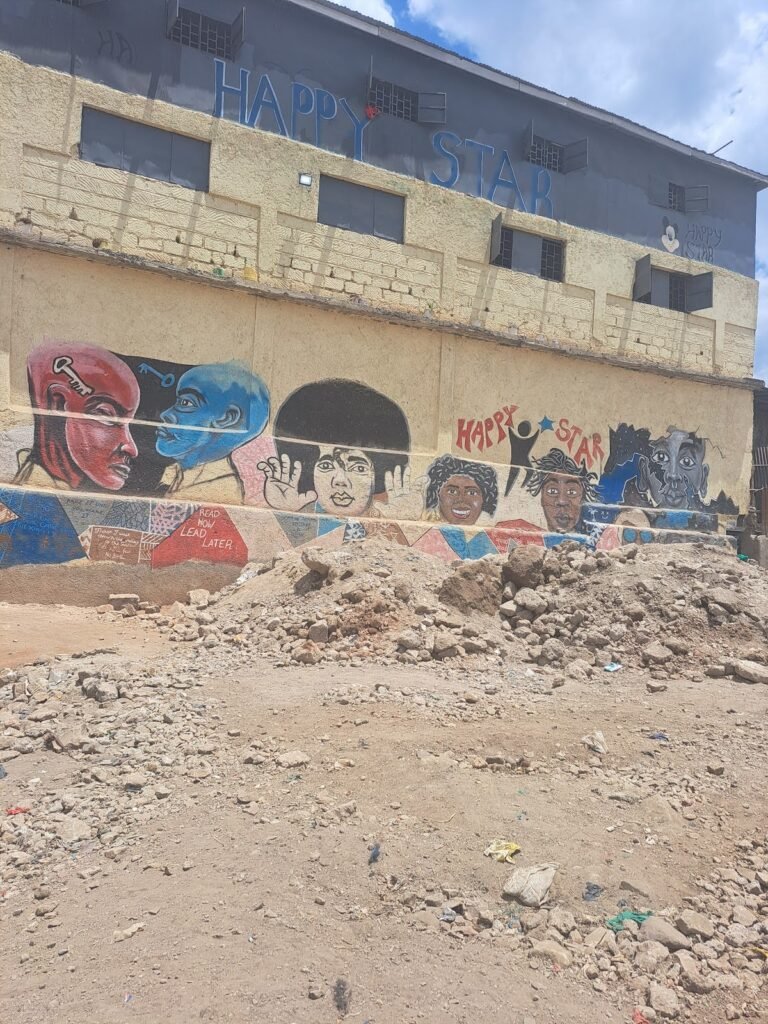
For Isaiah, in any emergency, it often feels like the government shifts responsibility to organizations like Kenya Red Cross and to the community members themselves. Disaster committees, which should exist at the local level according to the Constitution, are simply not in place. Meanwhile, funds allocated for disaster management are often lost to corruption.
Kwa Isaya, katika hali yoyote ya dharura, mara nyingi huhisi kama serikali inahamisha wajibu kwa mashirika kama vile Msalaba Mwekundu wa Kenya na kwa wanajamii wenyewe. Kamati za maafa, ambazo zinapaswa kuwepo katika ngazi ya mtaa kwa mujibu wa Katiba, hazipo. Wakati huo huo, fedha zilizotengwa kwa ajili ya usimamizi wa maafa mara nyingi hupotea kwa rushwa.
Isaiah wishes that every actor involved in emergency response — from local officials to national agencies — would play their role dutifully and with integrity.
Isaya anatamani kwamba kila mwigizaji anayehusika katika kukabiliana na dharura — kutoka kwa maafisa wa eneo hadi mashirika ya kitaifa — angecheza jukumu lao kwa uwajibikaji na kwa uadilifu.
> This session left me reflecting on many things. But if there’s one truth that stood out, it’s this: there is still hope.
>Kipindi hiki kiliniacha nikitafakari mambo mengi. Lakini kama kuna ukweli mmoja uliojitokeza, ni huu: bado kuna matumaini.
The dual
Powered by our people


Sally Mlingi
Author, Investigator_Oecumene Spaces For Dignity
Insaf Ben Othmane Hamrouni
Editor Co-investigator_Oecumene Spaces For Dignity