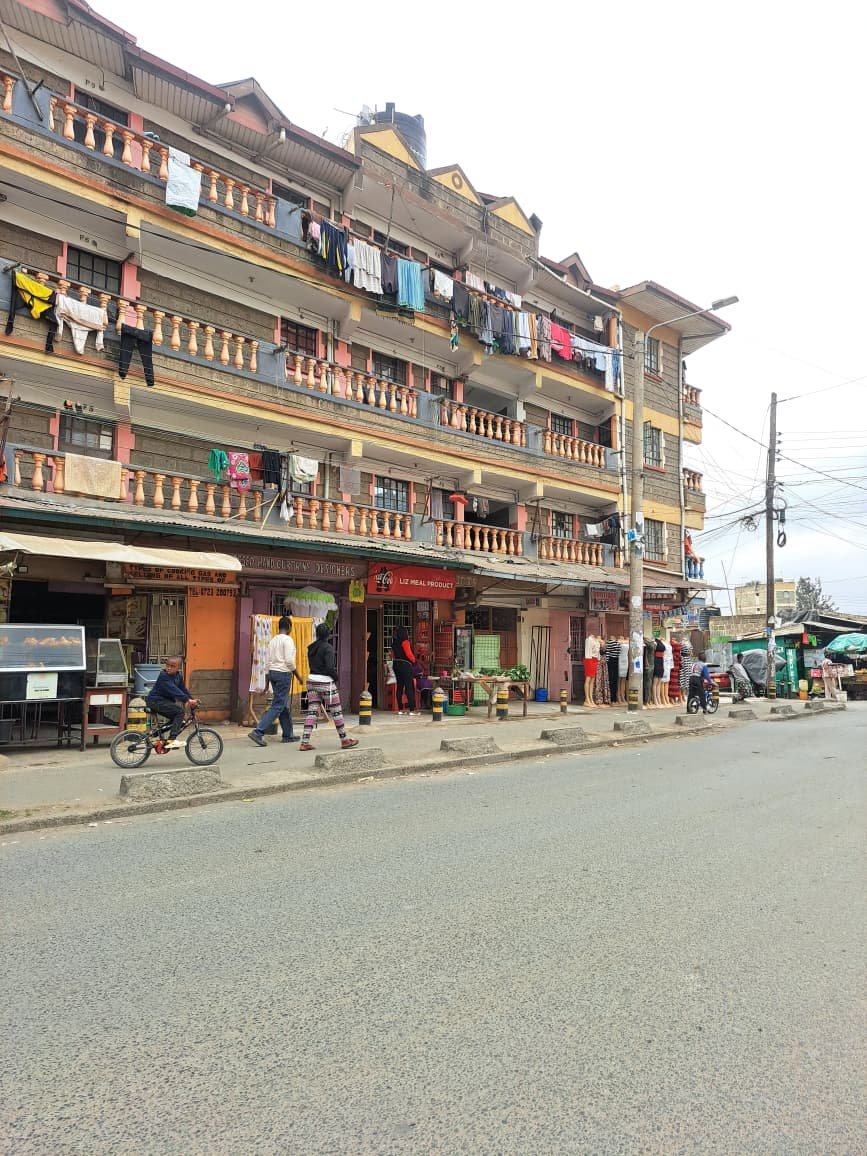
Sophie is a business woman and concurrently an advocate for better living especially in informal settlements.
Sophie ni mwanamke mfanyabiashara na kwa wakati mmoja mtetezi wa maisha bora hasa katika makazi yasiyo rasmi.
I never expected to meet Sophie the way I did. It was a cold day, and I was attending a validation exercise on urban deprivation in Nairobi. The event, organized by the African Population and Health Research Center (APHRC), focused on the challenges facing deprived urban communities — particularly those in informal settlements, where access to basic services like sanitation, roads, and adequate housing is still a daily struggle.
Sikutarajia kukutana na Sophie jinsi nilivyokutana. Ilikuwa siku ya baridi, na nilikuwa nikihudhuria zoezi la uthibitishaji wa miji jijini Nairobi. Hafla hiyo iliyoandaliwa na Kituo cha Utafiti wa Idadi ya Watu na Afya cha Afrika (APHRC), ililenga changamoto zinazozikabili jamii za mijini — hasa zile za makazi yasiyo rasmi, ambapo upatikanaji wa huduma za kimsingi kama vile usafi wa mazingira, barabara, na makazi ya kutosha bado ni mapambano ya kila siku.
The room was filled with both familiar and new faces — fellow volunteers from OpenStreetMap and community gatekeepers from slums like Kiambiu, Kayole, Majengo, and Kibra. After a round of introductions, we got down to the core task: validating areas in Nairobi based on five key indicators — Morphological Informality, Accumulated Waste Piles, Flood Hazard, Road Access Deprivation, and Emergency Obstetric Care Access.
Chumba kilijazwa na nyuso zinazojulikana na mpya — wafanyakazi wa kujitolea kutoka OpenStreetMap na walinda lango wa jamii kutoka makazi yasiyo rasmi kama Kiambiu, Kayole, Majengo, na Kibra. Baada ya awamu ya utangulizi, tulifikia jukumu la msingi: kuthibitisha maeneo ya Nairobi kulingana na viashirio vitano muhimu — Ukosefu wa Kimofolojia, Mirundo ya Taka Iliyokusanywa, Hatari ya Mafuriko, Kunyimwa Ufikiaji Barabarani, na Ufikiaji wa Huduma ya Dharura ya Uzazi.
The exercise was engaging at first, but as the hours wore on, it started to feel repetitive. That’s when I turned to the person seated next to me — Sophie Wambui. We started with small talk. I asked her about the challenges she faced while mapping, and she responded with a smile, saying it was actually an easy and enjoyable process. But soon, the conversation shifted — and turned much deeper.
Zoezi hilo lilikuwa la kuvutia mwanzoni, lakini kadiri saa zilivyosonga, lilianza kuhisi kujirudia. Hapo ndipo nilipomgeukia mtu aliyeketi karibu nami — Sophie Wambui. Tulianza na mazungumzo madogo. Nilimuuliza kuhusu changamoto alizokabiliana nazo wakati wa kuchora ramani, naye akajibu kwa tabasamu, akisema kwa hakika ulikuwa mchakato rahisi na wa kufurahisha. Lakini hivi karibuni, mazungumzo yalibadilika na kugeuka kuwa ya ndani zaidi.
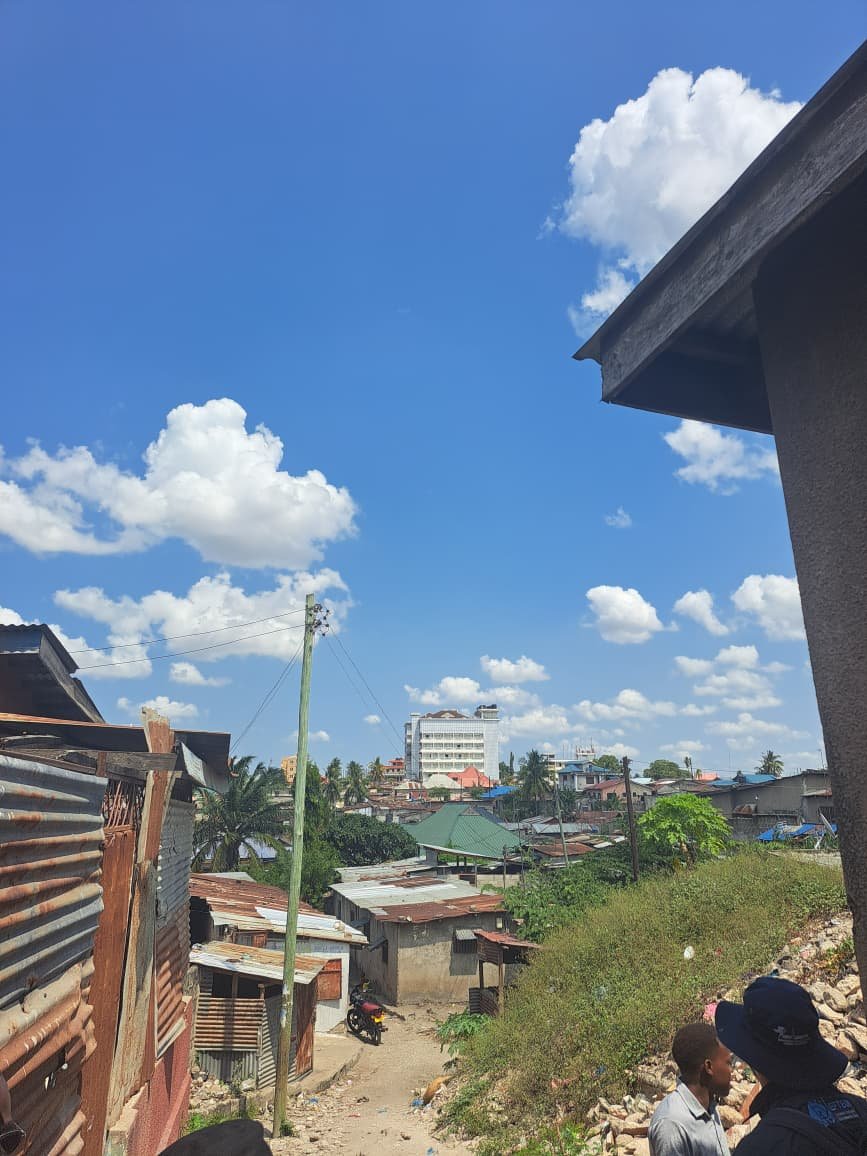
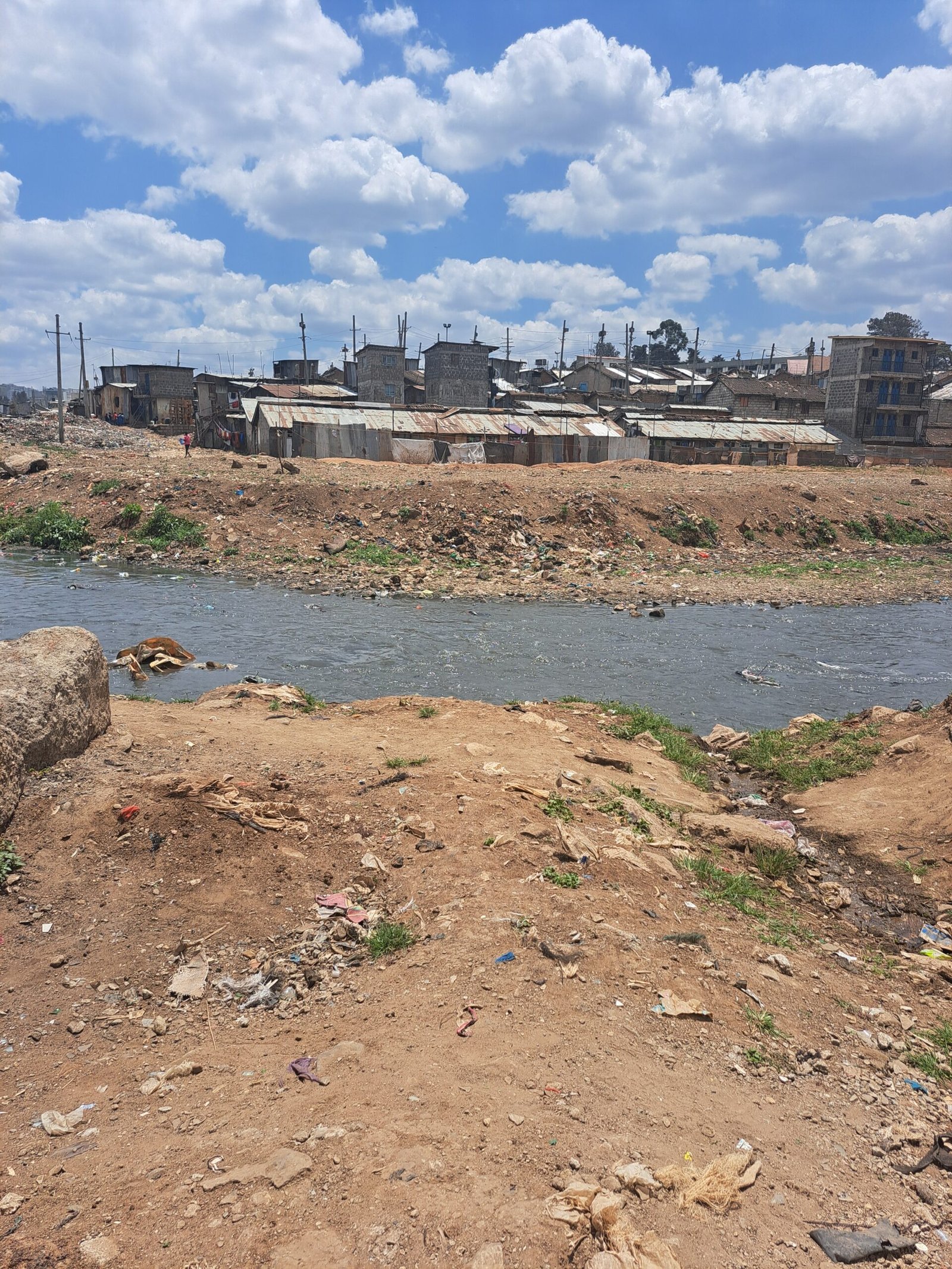
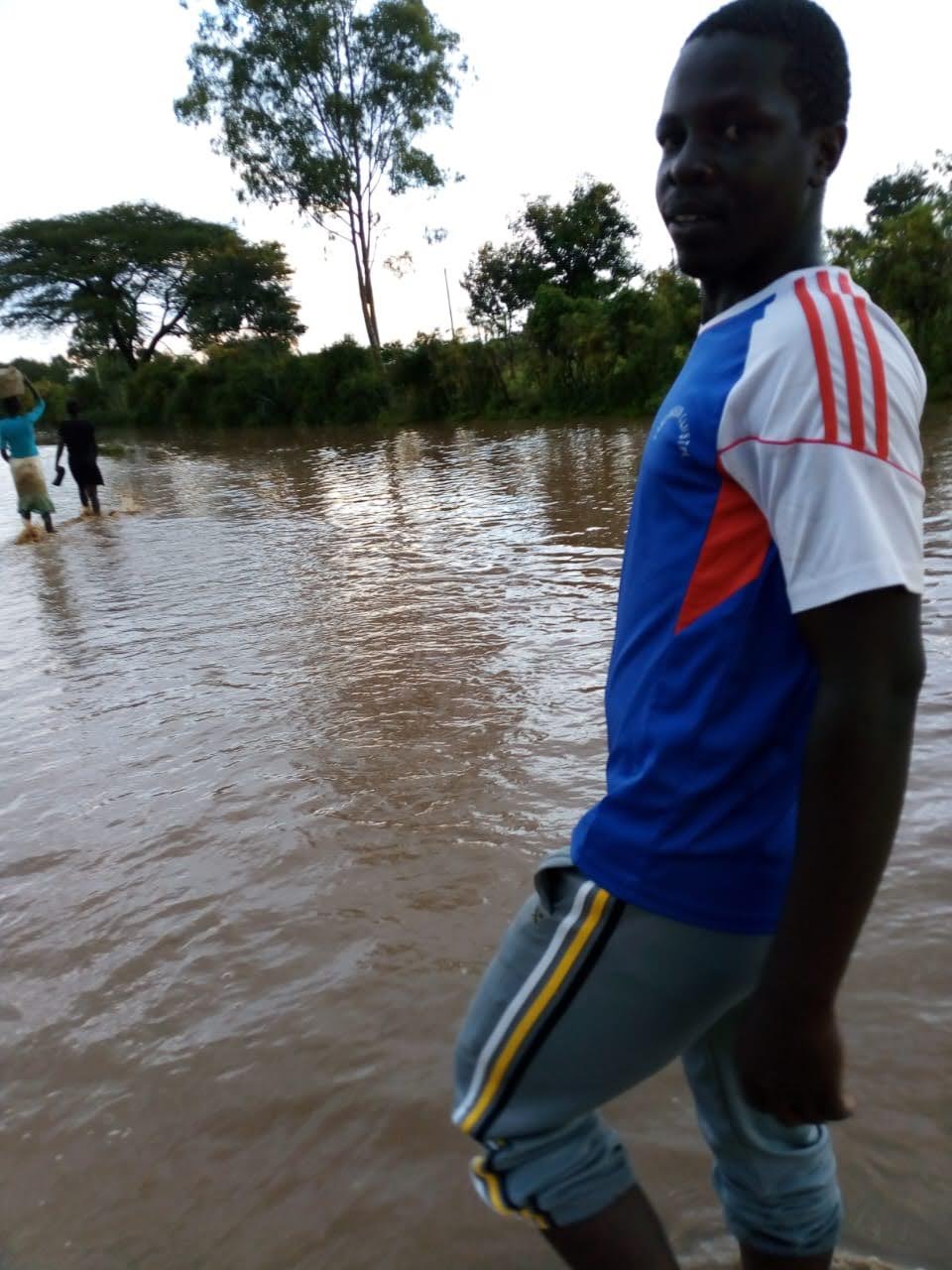
Sophie is from Majengo. She opened up about life growing up in the slum, where emergencies were part of daily life — floods, fires, and collapsing buildings were all too common. She recounted one particularly harrowing event: during the floods of 2024, her sister-in-law’s house, located near the Nairobi River, was completely destroyed. “Everything was gone,” she said. “Nothing was left. She had to start from scratch. And she had children to care for.”
Sophie anatoka Majengo. Alifunguka kuhusu maisha ya kukua katika makazi yasiyo rasmi, ambapo majanga yalikuwa sehemu ya maisha ya kila siku — mafuriko, moto, na majengo yanayoporomoka yalikuwa ya kawaida sana. Alisimulia tukio moja la kuhuzunisha sana: wakati wa mafuriko ya 2024, nyumba ya shemeji yake, iliyoko karibu na Mto Nairobi, iliharibiwa kabisa. “Kila kitu kilikuwa kilibebwa na maji,” alisema. “Hakuna kilichosalia. Ilibidi aanze kutoka mwanzo. Na alikuwa na watoto wa kutunza.”
“Living in an informal settlement is a disaster in itself,” she said. Sophie explained how people in Majengo share electricity through an informal system called sambaza, which often leads to electrical fires. While cooking gas has become more affordable in recent years, it has also increased the risk of fires — another danger layered onto an already vulnerable environment.
“Kuishi katika makazi yasiyo rasmi ni janga lenyewe,” alisema. Sophie alieleza jinsi watu wa Majengo wanavyotumia umeme kupitia mfumo usio rasmi unaoitwa sambaza, ambao mara nyingi husababisha moto wa umeme. Ingawa gesi ya kupikia imekuwa nafuu zaidi katika miaka ya hivi karibuni, pia imeongeza hatari ya moto — hatari nyingine iliyowekwa kwenye mazingira ambayo tayari ni hatari.
Then Sophie shared a painful childhood memory. She was at home, playing with her brother and a family friend — another little girl whose mother was close to hers. Their parents were at work, and a neighbour had lit a kerosene lamp (koroboi). The flame caught onto some fabric, and in moments, fire spread uncontrollably through the densely packed homes.
All Sophie remembers are the screams and the chaos. She managed to rescue her brother, but tragically, the other girl — who had been asleep inside — was forgotten in the confusion and died in the blaze.
Kisha Sophie alishiriki kumbukumbu chungu ya utoto. Alikuwa nyumbani, akicheza na kaka yake na rafiki wa familia — msichana mwingine mdogo ambaye mama zao walikuwa marafiki. Wazazi wao walikuwa kazini, na jirani alikuwa amewasha taa ya mafuta ya taa -koroboi. Moto ulishika kitambaa fulani, na baada ya muda mfupi, moto ulienea bila kudhibitiwa kupitia nyumba zilizojaa watu wengi.
Anachokumbuka Sophie ni mayowe na hali ya sintofahamu. Alifanikiwa kumwokoa kaka yake, lakini la kusikitisha, msichana mwingine — ambaye alikuwa amelala ndani— alisahaulika katika sintofahamu hiyo na akafa katika moto huo.
Sadly, Sophie said, such tragedies are not rare.
La kusikitisha, Sophie alisema, misiba kama hiyo sio nadra.
I asked her how people in Majengo build resilience in the face of constant disasters.
“People are used to it,” she said. “They know it can happen to anyone. So we just move on, start over, and don’t fear beginning from scratch.”
Nilimuuliza jinsi watu wa Majengo wanavyojenga ustahimilivu katika kukabiliana na majanga ya mara kwa mara.
“Watu wamezoea,” alisema. “Wanajua inaweza kutokea kwa mtu yeyote. Kwa hivyo tunasonga mbele, kuanza upya, na kutokuogopa kuanzia mwanzo.”
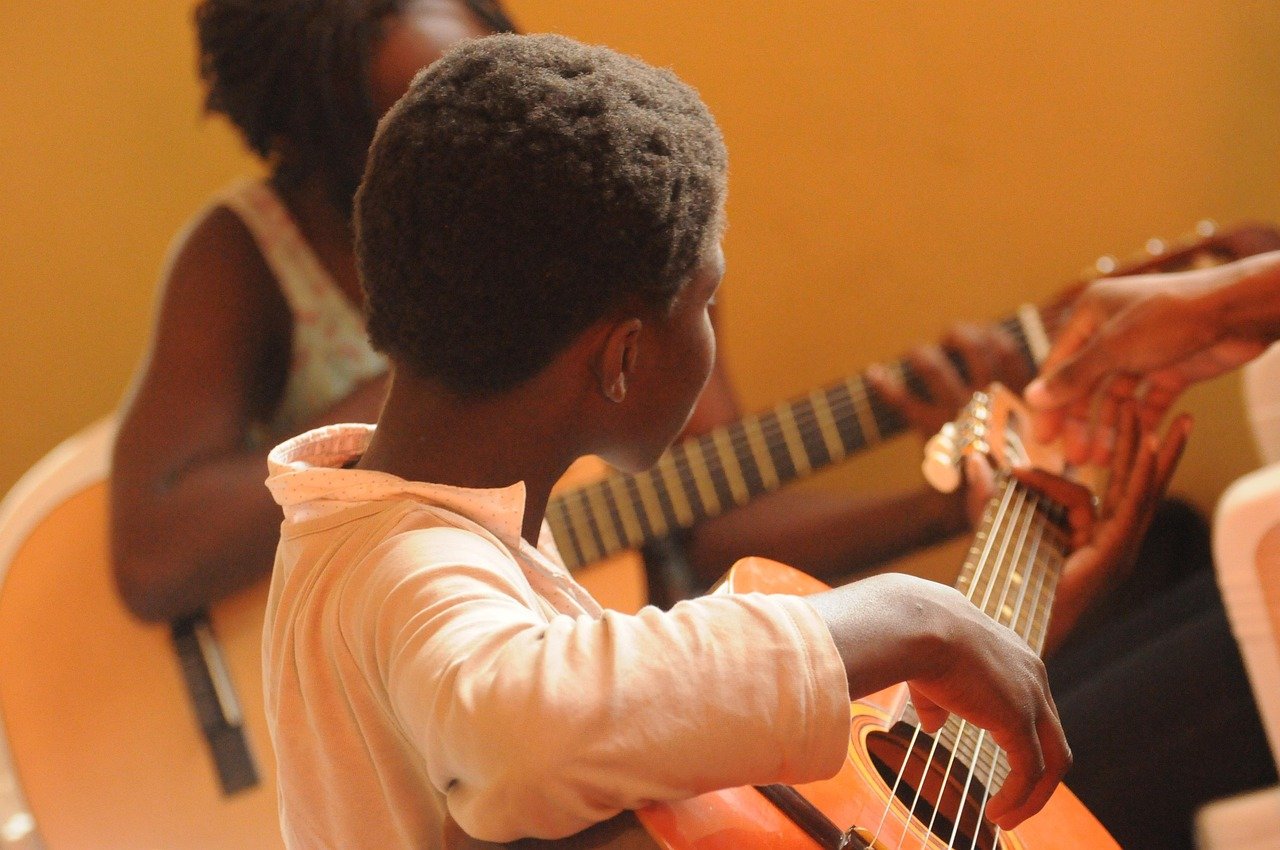
Curious about how art fits into daily life in Majengo, I brought up its role in the community. Sophie explained that while it isn’t widely used for disaster preparedness or response, it plays a crucial role in helping people manage the stress of everyday life. She told me about a small library she once started, where people could read and exchange books — a quiet space for reflection and connection — but it eventually folded due to lack of funding. She also shared how young people form football teams, music groups, and drawing clubs as outlets for creativity, expression, and moments of joy. These creative outlets, she said, are what keep many residents grounded — and help them stay resilient in the face of constant challenges.
Sophie eventually moved to a better neighborhood after securing a job, but she remains an advocate for those still living in Majengo. “Electricity should be regulated,” she urged. “If illegal connections are the cause of so many fires, then something must be done.”
Nikiwa na hamu ya kujua jinsi sanaa inavyofaa katika maisha ya kila siku huko Majengo, nilileta jukumu lake katika jamii. Sophie alieleza kuwa ingawa haitumiki sana kwa ajili ya kujitayarisha au kukabiliana na maafa, ina jukumu muhimu katika kuwasaidia watu kudhibiti mkazo wa maisha ya kila siku. Aliniambia kuhusu maktaba ndogo aliyoanzisha hapo awali, ambapo watu wangeweza kusoma na kubadilishana vitabu — nafasi tulivu ya kutafakari na kuunganisha — lakini hatimaye ilifungwa kwa sababu ya ukosefu wa fedha. Pia alishiriki jinsi vijana wanavyounda timu za kandanda, vikundi vya muziki, na vilabu vya kuchora kama njia za ubunifu, kujieleza, na nyakati za furaha. Vyombo hivi vya ubunifu, alisema, ndivyo vinavyowaweka wakaazi wengi — na kuwasaidia kukaa thabiti katika kukabiliana na changamoto za mara kwa mara.
What stayed with me most was when she said, “People are used to disasters. They’re not afraid of starting over. Resilience is a way of life because we never know what tomorrow — or even tonight — will bring.”
Hatimaye Sophie alihamia mtaa bora baada ya kupata kazi, lakini anasalia kuwa mtetezi wa wale ambao bado wanaishi Majengo. “Umeme unapaswa kudhibitiwa,” alihimiza. “Ikiwa miunganisho haramu ndiyo sababu ya moto mwingi, basi lazima kitu kifanyike.”
Kilichokaa nami zaidi ni pale aliposema, “Watu wamezoea majanga. Wao hawaogopi kuanza upya. Ustahimilivu ni njia ya maisha kwa sababu hatujui kesho au hata usiku wa leo — utaleta nini.”
Her words left me deeply reflective — and sad. Urban realities can be brutally harsh. But in those harsh conditions, people like Sophie are building lives of quiet strength, community, and enduring hope.
Maneno yake yaliniacha nikitafakari sana — na huzuni. Hali halisi ya miji inaweza kuwa kali kikatili. Lakini katika hali hizo ngumu, watu kama Sophie wanajenga maisha ya nguvu, tulivu, jamii, na matumaini ya kudumu.
The dual
Powered by our people


Sally Mlingi
Author, Investigator_Oecumene Spaces For Dignity
Insaf Ben Othmane Hamrouni
Editor Co-investigator_Oecumene Spaces For Dignity