“Through all the smoke, I thought it was a joke until I saw the flames”- Victoria Kimata*
*Victoria is an artist, who aims to express and understand life through her art work.
“Kupitia moshi wote, nilifikiri ulikuwa mzaha hadi nilipoona moto”- Victoria Kimata*
*Victoria ni msanii, ambaye analenga kueleza na kuelewa maisha kupitia kazi yake ya sanaa.
Kuna hadithi zinazokaa na mtu kwa muda, ya Victoria ni mojawapo.
Some stories sit with you for a while — Victoria’s is one of them.
She was just in Form 2 when her high school dormitory caught fire in 2017. What began with disbelief quickly turned into horror. She described students jumping from windows, others frozen in fear, and a chaotic evacuation — with no drills, no alarms, and no fire extinguishers.
Alikuwa kidato cha pili wakati bweni lake la shule ya upili liliposhika moto mnamo mwaka wa 2017. Kilichoanza kwa kutoamini kiligeuka haraka kuwa hofu. Alielezea wanafunzi wakiruka kutoka madirishani, wengine wakiwa wameganda kwa hofu, na uokoaji wa machafuko — bila mazoezi, bila kengele, na bila vizima moto.
She spoke painfully about the students who lost their lives because there was no fire exit. The only door available wouldn’t budge open — it was a heavy metal door. And when help finally arrived, it was already too late. The Nairobi City County Fire Department came after the damage had already been done.
Alizungumza kwa uchungu kuhusu wanafunzi waliopoteza maisha kwa sababu hakukuwa na njia ya kutoka kwa moto. Mlango pekee uliopatikana haungefungua — ulikuwa mlango wa metali nzito. Na msaada ulipofika hatimaye, tayari ulikuwa umechelewa. Idara ya Zimamoto ya Kaunti ya Nairobi ilikuja baada ya uharibifu kuwa tayari umefanywa.
Our conversation was heavy. Recalling the disaster was clearly painful for Victoria — I could see it — but she carried it with grace. “We didn’t know where to go. There were no signs. No plan,” she recalled. She said the only immediate help they received came from the school support staff and a few teachers — and even that, she admitted, only helped a little.
Mazungumzo yetu yalikuwa mazito. Kukumbuka maafa kulikuwa jambo la uchungu kwa Victoria — niliweza kuiona — lakini aliibeba kwa neema. “Hatukujua pa kwenda. Hakukuwa na dalili. Hakuna mpango,” alikumbuka. Alisema msaada pekee wa haraka waliopata ulitoka kwa wafanyakazi wa usaidizi wa shule na walimu wachache — na hata hivyo, alikiri, ilisaidia kidogo tu.
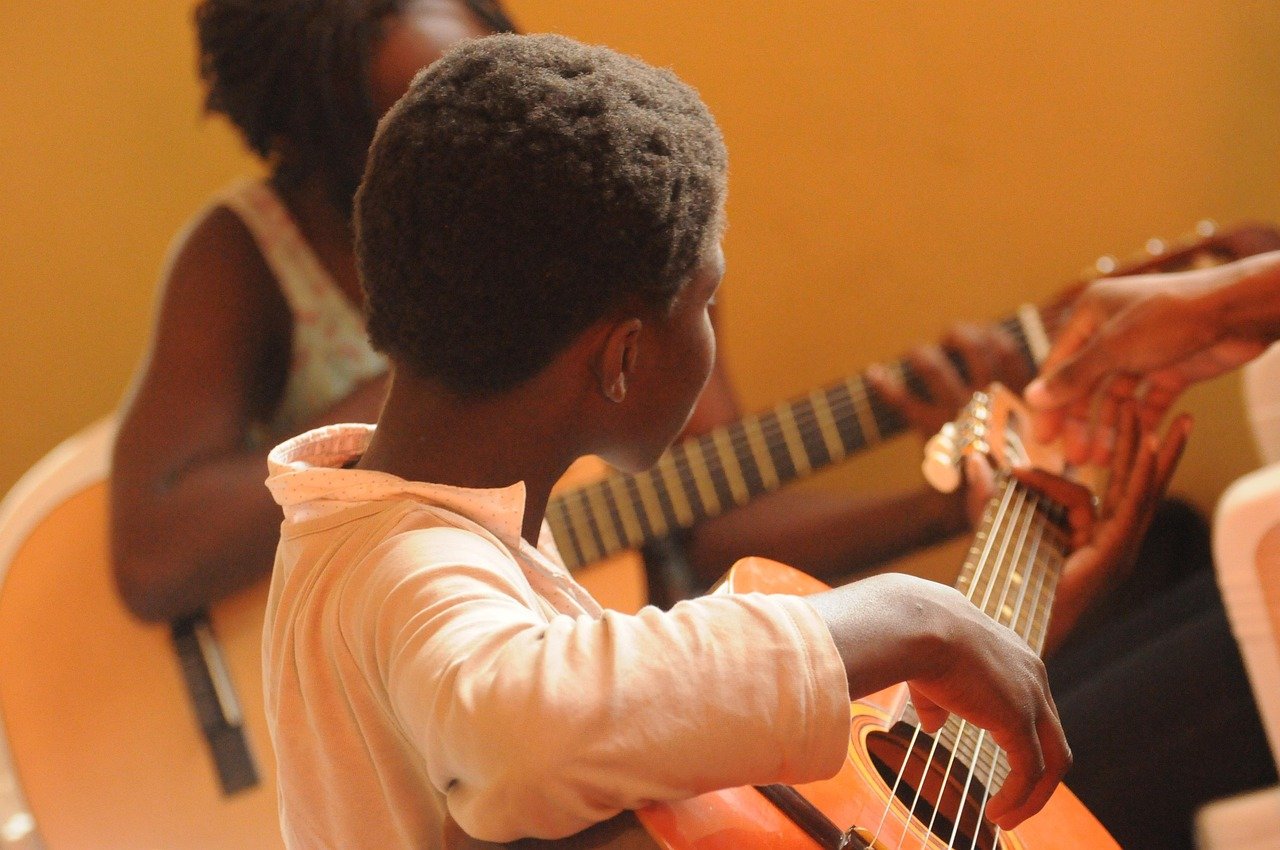
The period of healing took time. The Kenya Red Cross stepped in to help the students process the trauma and begin to recover. Through our conversation, Victoria shared how she discovered a passion for turning pain into purpose. She is now an upcoming artist, and together we imagined creating a pictorial representation of her story — something that could warn, teach, and inspire. She also spoke strongly about the power of art, especially in educating people about disasters and how to respond when they happen.
Kipindi cha uponyaji kilichukua muda. Shirika la Msalaba Mwekundu la Kenya liliingilia kati kuwasaidia wanafunzi kukabiliana na mambo ya kisaikolojia na hatimaye wakaanza kupata nafuu. Kupitia mazungumzo yetu, Victoria alishiriki jinsi alivyogundua shauku ya kugeuza maumivu kuwa kusudi. Sasa yeye ni msanii, na kwa pamoja tulifikiria kuunda uwakilishi wa picha wa hadithi yake — kitu ambacho kinaweza kuonya, kufundisha, na kuhamasisha. Pia alizungumza kwa nguvu juu ya sanaa, haswa katika kuelimisha watu juu ya majanga na jinsi ya kujibu yanapotokea.
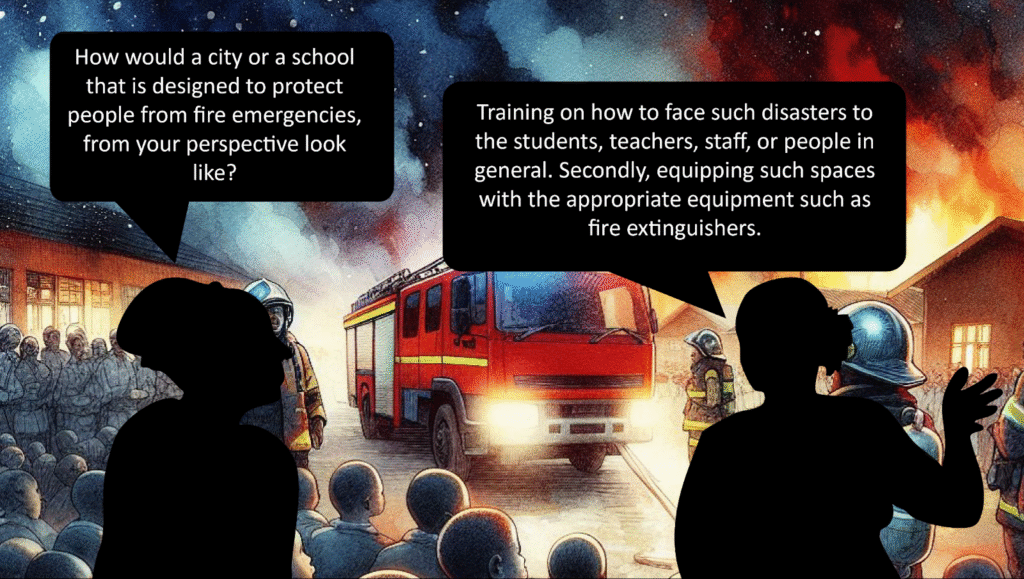
Victoria believes that every school needs a dedicated emergency unit — not just first aid kits and fire drills, but a full culture of preparedness. “We cannot lose more students to carelessness,” she told me. Her voice now joins the growing chorus in this project, Emergency Urbanism — youth speaking from the edge of crisis, but not consumed by it. Youth demanding better. Youth, along with the communities that survived, now calling for cities that are safe, responsive, and built to protect the next generation.
Victoria anaamini kwamba kila shule inahitaji kitengo maalum cha dharura — sio tu vifaa vya huduma ya kwanza na mazoezi ya moto, lakini utamaduni kamili wa kujitayarisha. “Hatuwezi kupoteza wanafunzi zaidi kwa uzembe,” aliniambia. Sauti yake sasa inajiunga na kwaya inayokua katika mradi huu, ‘Emergency Urbanism’ — viajan wakizungumza kutoka ukingo wa shida. Vijana wanadai bora. Vijana, pamoja na jamii zilizosalia, sasa wanatoa wito kwa miji ambayo ni salama, sikivu, na iliyojengwa kulinda kizazi kijacho.
The dual
Powered by our people


Sally Mlingi
Author, Investigator_Oecumene Spaces For Dignity
Insaf Ben Othmane Hamrouni
Editor Co-investigator_Oecumene Spaces For Dignity